

Dubai is famous for its luxury restaurants, international cuisines, and street food, but the city also has a rich traditional food culture. The Emirati cuisine is a reflection of fishing, pearl-diving, desert living and trade with neighboring regions of the UAE. It is known for its local cuisine that typically includes freshly baked bread, dates, fish, chicken, lamb, fragrant spices and rice.
Visitors can sample the spiced rice, slow-cooked meat, sweet dumplings and Arabic coffee, among other traditional Dubai foods. Many of them are popular throughout the UAE and others are shared with the rest of the Gulf and Middle East region.
To taste the Emirati culture during your visit, here are 25 local traditional Emirati food and regional favourites you should try in Dubai.
What Is Traditional Emirati Food?
Traditional Emirati food refers to the traditional food of the people in the UAE and their heritage. Traditionally, what ingredients families have access to has been determined by their location. The coastal people depended on fish and seafood, and the families in the desert and inland communities depended on dates, dairy products, grains, and meat.
The rice dishes took a significant place in the local cooking due to the regional and international trade that has been conducted for centuries. Many traditional recipes feature spices for aroma and flavours like cardamom, cinnamon, turmeric, saffron and dried lime.
Another aspect of Emirati culture is hospitality. Arabic coffee (gahwa) and dates usually are offered to the guests upon arrival. During family occasions, weddings, celebrations and at other special occasions, large dishes of rice and meat are also served.
25 Traditional Dubai Foods to Try
1. Al Machboos
Al Machboos is a traditional dish of rice in the Emirati style that is well-known. It is usually cooked with chicken, lamb or fish, rice, onions, tomatoes and a mixture of aromatic spices. Dried lime (loomi) can be used to impart a unique tangy taste.
The ingredients are combined and cooked together, allowing the rice to take up some of the flavour of the meat, seafood and seasonings. It is a fragrant and filling dish that is commonly served during family gatherings and celebrations.
Al Machboos is a great first course to try out if you are new to Emirati cuisine. The flavours and preparations vary from household to household and restaurant to restaurant as recipes vary.
2. Harees

Harees is a traditional food, primarily composed of wheat and meat, typically chicken or lamb. The ingredients are slowly cooked until the wheat softens and the mixture becomes thick, smooth.
The cuisine is usually simple, so that the natural flavors of the ingredients come through. May be served with ghee (fat) for additional richness, depending on the recipe.
Harees is particularly associated with Ramadan and special occasions in the UAE. It is traditionally prepared over a prolonged period of time, and is a typical example of slow cooked dishes in Emirati home cooking.
3. Thareed
Thareed is a traditional dish that is comforting, consisting of a meat-and-vegetable stew and flatbread. A small amount of thin bread is added to a dish and fed over the stew so that it soaks up the flavourful stew.
The stew can include chicken, lamb, potatoes, carrots and other vegetables. The bread becomes soft, making it a hearty meal that has several ingredients all in one dish.
Thareed is related to the traditional Arabian cooking and is used in various ways throughout the Arabian region. It is especially popular for a home-cooked meal or during the Ramadan season in the UAE.
4. Madrouba
Madrouba is a thick, soft rice dish made with meat (chicken or fish) or fish. The rice is cooked until very soft and mixed with the other ingredients to form a smooth porridge.
Spices & seasonings add flavor but don’t necessarily contribute to the heat of the dish. There are some recipes which require extra ingredients for richness in the texture.
Madrouba is a filling comfort food – lunch or dinner. If you are not used to eating particular foods, it is best to try it if you like soft foods instead of having rice and meat served separately.
5. Fish Machboos
Fish Machboos is a seafood spiced Emirati rice. Fish is cooked with rice, onions, seasonings being frequently dried lime and others fragrant spices.
The fish used will depend on the recipe and availability. Seafood is a significant integral part of UAE traditional food culture, especially for the coastal communities which have long depended on fishing activities.
Those who wish to sample a local rice dish but don’t want to be served chicken or lamb should opt to order Fish Machboos. Inquire with restaurant regarding the fish and the spiciness of the sauce.
6. Samak Mashwi
Grilled fish is known as samak mashwi. It’s easy to eat seafood, simply marinate the fish before grilling it or cooking it over a flame.
Depending on the restaurant, the seasoning can contain various spices, such as lemon. It is commonly served with rice, bread or any other side dish.
Seafood has been an integral part of the coastal communities of UAE for many years. Grilled fish is available all over the region but putting it on the grill with the traditional Emirati spices can be a treat of Emirati cuisine.
7. Jasheed

Jasheed is a traditional seafood dish that is traditionally made with the meat of small sharks, which are shredded and flavored. Can be served as a side dish to rice or consumed in a meal.
The dish symbolizes how much fishing is valued in the UAE’s coastal cuisine. Flavours vary depending on the type of fish, spices and how it is prepared.
Jasheed may not always be on the restaurant menu, so check with a traditional Emirati restaurant if they do have it. You can also verify the kind of seafood that is used prior to ordering.
8. Balaleet
Balaleet is the traditional sweet and savoury breakfast food from vermicelli noodles. The noodles are flavored with sugar and some aromatic elements like cardamom, saffron or rose water.
An omelette or egg thing is sometimes added on top to contrast with the sweet noodles, which is a thin omelette. The mix is somewhat unusual for a first time visitor, but more common for Emirati breakfast.
Balaleet is also served at holiday time and family reunions. It is one of the most interesting dishes to try when you wish to have a traditional Emirati breakfast.
9. Chebab
This is an Emirati food, similar to a pancake, typically made from flour, yeast and ingredients such as cardamom and saffron. These add to the characteristic aroma and goldenness of the pancakes.
Chebab is normally eaten in the morning or as a snack. May be served with date syrup, honey, cheese, or other flavors.
It’s also very soft and lightly sweet in taste, so it is suitable for those who prefer a lighter meal. Chebab is particularly delicious served with Arabic coffee or tea.
10. Khameer Bread
Traditional Emirati bread with soft dough called Khameer. The ingredients for the dough vary from recipe to recipe, and can contain yeast, sugar, milk, saffron, or cardamom.
The bread is cooked or baked until it is lightly browned on the outside and soft on the inside. Can eat with cheese, honey, dates or other foods.
Breakfast or a light meal, Khameer is helpful. It also pairs nicely with savoury dishes, and is available at restaurants specializing in Emirati cuisine.
11. Regag Bread

Regag is an extremely thin bread that gets crispy in the cooking on a hot surface. Usually eaten fresh and can be served plain or with fillings and/or toppings.
Eggs, cheese or other savoury additions are popular. Some versions are served with sweet accompaniments.
Regag is ideal for a quick snack or a breakfast. It is very different from the softer breads that normally accompany stews or rice dishes because of its thinness and crispness.
12. Luqaimat
Luqaimat is a traditional sweet that is easily identified in UAE. Small, round dumplings made of dough and deep-fried to golden color topped with date syrup or another sweet syrup.
The outside is generally crisp and the inside is soft. Add sesame seeds, if needed, for the recipe.
Luqaimat is eaten especially during Ramadan, and at festive occasions, but can be eaten all year round. It is a wonderful dish to serve as a dessert, following the traditional Emirati meal.
13. Khanfaroosh
Khanfaroosh is a traditional Emirati sweet that is frequently made as a little cake or fritter. In addition to the ingredients listed above, other common ingredients used in recipes include flour, eggs, sugar, and fragrant spices like cardamom or saffron.
The texture may differ depending on how the treat is made, but it is generally a sweet, aromatic treat. It’s frequently served over coffee or tea.
If you’re a traditional dessert enthusiast and not a typical cake shopper, inquire about khanfaroosh at an Emirati café or restaurant.
14. Batheetha
Batheetha is the traditional sweet which is prepared using dates and flour and sometimes mixed with ghee and spices. A rich, date based preparation is made from the ingredients which may be soft or crumbly.
In the Emirati culture, dates are very significant as they have been cultivated and eaten throughout the region for a long time. The natural sweetness of dates is used to make traditional sweets.
Batheetha is a great choice for those looking to try out one of the UAE’s oldest date dessert creation traditions.
15. Asida

Asida is a traditional dish made from flour which is eaten in various ethnic cuisines in Arab and regional cuisine such as the variations in the Gulf. It is normally made by cooking flour into a thick, smooth mixture using water.
Ingredients and preparation vary from region to region and recipe to recipe. Some are savory, or served with sweet additions or ghee.
If traditional home-style cooking is your interest, then you should definitely check out Asida. If you order it in Dubai, find out how they cook it at the restaurant because the recipe may not be the same everywhere.
16. Khabees
Khabees is a traditional sweet made of flour, sugar, ghee and spices. The ingredients are cooked together to form a soft rich mixture with a pleasant aroma.
Other ingredients may be added, depending on the recipe. This is normally eaten as little amounts and used for dessert or snacks.
Khabees is a dish that embodies traditional Emirati cuisine using simple ingredients from the kitchen. It’s ideal for those who wish to sample a sweet variety that’s not the same as today’s bakery desserts.
17. Saloona
Saloona is a traditional stew made out of meat or fish, vegetables and seasonings. It can contain chicken, lamb, potatoes, tomatoes and a variety of other vegetables, depending on the recipe.
All the ingredients are gently cooked to create a delicious broth. Saloona is usually eaten with rice or bread and can be served as a side dish at lunch or dinner.
Saloona is a healthier alternative to those special dishes served for special occasions. It has several ingredients and so the dish can be different depending upon whether you pick a meat, chicken, or seafood one.
18. Ghuzi (Ouzi)
Ghuzi or ouzi, a rice and meat dish, is a common food during celebrations and gatherings in some parts of the world. It is usually served roasted or slow cooked lamb with rice and is occasionally accompanied by nuts, raisins or spices.
The presentation is of a generous dimension, appropriate for sharing. Recipes are different in the UAE and throughout the Gulf and may be different in restaurants.
If you’re eating with the family or friends, you can go for a larger, traditional fare at Ghuzi.
19. Margooga

Margooga is a hearty stew in the Gulf and Arabian cuisine. It is usually made with meat, vegetables and chunks of dough that are added and cooked in the broth.
The flavours of the stew get absorbed by the softening dough. The outcome is a filling dish where the bread or dough and main ingredients are all cooked in one pot.
There may be variations from one family to another and from one area to another. When you spot margooga on an restaurant menu, ask what it is made from and how, to know what you’re getting for your money.
20. Arseeya
Arseeya is a traditional dish, usually prepared with meat, and wheat or rice, as per regional and family recipe. The ingredients are soft and cooked together to make it thick and smooth.
It is often used in traditional Arabian dishes and can be served at family events or special occasions. The name and exact preparation will vary from place to place.
If you’re a fan of slow cooks and comfort food, then Arseeya is a great option to keep your eye out.
21. Fresh Dates
Dating is one of the significant foods of Emirati culture. They’ve been cultivated in the area for hundreds of years and are still a staple part of life, hospitality, and holiday fare.
These are usually offered to visitors to the house with Arabic coffee. Dates can also be used in desserts, snacks and other traditional recipes.
Various types are available in Dubai, varying in size, softness, sweetness, and texture. By sampling a few options, these are simple ways of discovering an important aspect of the UAE local cuisine.
22. Traditional Emirati Rice with Meat
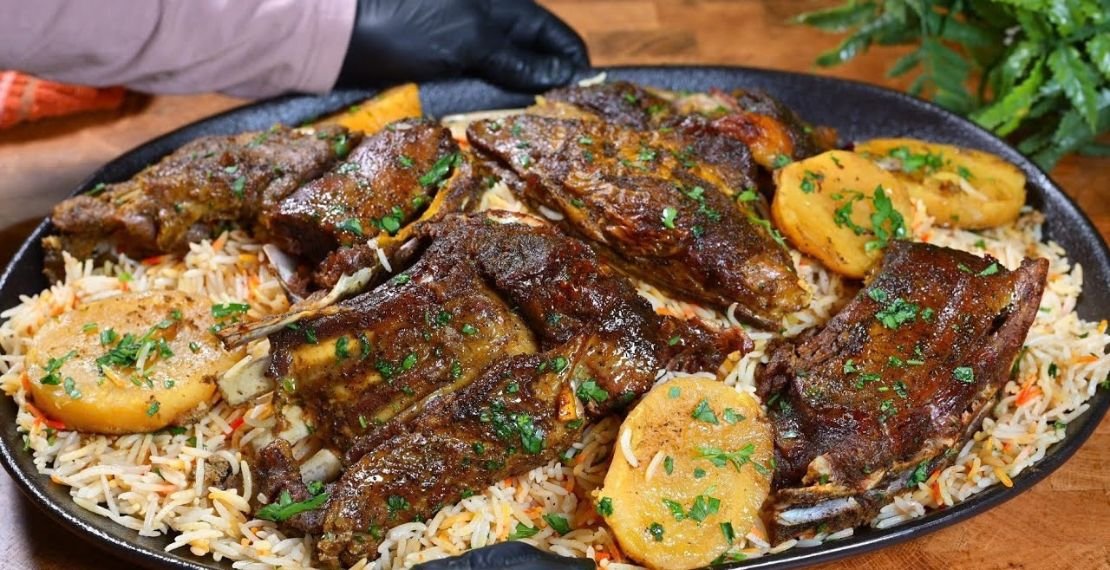
It is common to serve rice with lamb or chicken at traditional dinners in the UAE. The meat can be roasted, boiled or slow cooked and the rice made with spices and broth.
This is not a specific dish, but rather a general term, and the recipe and the name will vary based on how it is prepared. Some specialty dishes of rice and meat include machboos and ghuzi.
When ordering, enquire about traditional rice based dishes served at the restaurant and if this meal is meant for just one person or for two.
23. Emirati Seafood Dishes
Emirati cuisine has long included seafood due to the country’s reliance on fishing as a way of life and a source of trade. Fish can be grilled, steamed or added to stews or rice dishes.
The traditional and regional seafoods include fish machboo, grilled fish and jasheed. Availability will depend on the restaurant and ingredients.
If eating seafood, inquire about the “fish of the day” as well as if they are served according to an authentic Emirati style.
24. Arabic Coffee (Gahwa)
Gahwa is traditional Arabic coffee, associated with the Emirati hospitality. It can be flavored by lightly roasted coffee beans and spices like cardamom. Other aromatic ingredients may be added to some recipes.
Small cups of coffee are usually served and dates are always served with it. It is more than just a drink: serving gahwa is an important social custom in the UAE.
Enjoy Arabic coffee in traditional restaurants, cafés, cultural venues and in local hospitality experiences. It is typically more flavorful than the dark, stronger coffee beverages that are typical of many contemporary cafes.
25. Karak Tea
Karak tea is popular in Dubai and all over the UAE. Typically is brewed using strong black tea and milk, sugar and spices, including cardamom.
Karak is a popular style throughout the country, however, the style is not just Emirati in nature but is a representation of more of a South Asian and Gulf influence. It’s a common drink, that’s usually paired with breakfast or a quick snack.
Karak can be purchased from cafes, tea shops and small local restaurants in Dubai. A no-brainer choice if you’re looking to try one of the most common everyday beverages in the city.
Traditional Emirati Foods to Try for Breakfast
Emirati breakfasts are a variety of sweet, savory and bread items. Balaleet is one of the unique choices as it is a sweet vermicelli mixed with eggs. A pancake style option is available at Chebab, and different fillings and accompaniments are available for khameer and regag breads.
The local hospitality also includes dates and Arabic coffee. If you wish to sample many dishes, then check if they serve a traditional Emirati breakfast menu.
Not all of these foods are offered at all restaurants at every morning, so you may want to call ahead before heading to the restaurant.
Traditional Emirati Main Dishes for Lunch and Dinner

Al Machboos, harees, thareed, madrouba, or a traditional fish dish are good choices for a filling meal. From fragrant rice to slow-cooked wheat and rich stews, these choices are all different textures and flavors.
Ghuzi is another alternative if you are dining with a group, as it is often served as a ‘grab and go’ rice and meat meal! Consider Saloona if a vegetal stew with broth is your preference.
Traditional food is cooked in large quantities, especially for family occasions. When ordering, look at the portion sizes, particularly if ordering multiple items.
Traditional Emirati Snacks and Desserts
The Luqaimat is a traditional sweet from the UAE and is a great introduction to Emirati sweets, being crisp on the outside and soft on the inside. Other traditional dessert choices include khanfaroosh and khabees, and batheetha is a reminder of the significance of dates in local cuisine.
If you’re not looking for something as sweet, you can try regag bread with a savoury stuffing, or khameer with one. These breads can be used as a snack, breakfast or light meal.
Some restaurants will have traditional desserts available, while others may not. Some restaurants offer traditional recipes and others offer a variety of Gulf and international cuisine.
Traditional Drinks to Try in Dubai
One of the most important drinks in Emirati culture is Arabic coffee. The mild, aromatic taste and customary presentation help it to be an essential element in the local dining experience. It is used to welcome guests, and is commonly offered with dates.
Another tea favored throughout Dubai is Karak tea, which is popular for those who want an instant tea and snack. But it is important to note that it is a popular and regional beverage and not a uniquely Emirati custom.
Other Middle Eastern beverages are available in cafés and restaurants. If you have dietary preferences, or you want to give something that is traditionally eaten in the UAE a try, ask about the ingredients.
Where to Try Traditional Emirati Food in Dubai
Restaurants that have local cuisine specially listed in their menus are the best to look for traditional Emirati food. This may be a good starting point on the Heritage dining establishments found in Old Dubai or Dubai Emirati home-style restaurants.
Alternatively, traditional food can be found at cultural sites, food festivals and local restaurants. Some restaurants specialize in rice and meat dishes, some in breakfast dishes, breads and sweets.
Find out the current menu, hours of operation, and location before coming to visit. Not all 25 foods are offered at every restaurant and some heritage dishes may be on special days or for special events.
Which Traditional Dubai Foods Should First-Time Visitors Try?
If you are new to Emirati cuisine, it is best to try a couple of dishes that will feature different flavors and textures.
Al Machboos is ideal for a traditional and spiced rice meal, and harees is the place to get to know a traditional slow-cooked meal. If you love bread and stews, then Thareed is a must try. Balaleet offers a unique sweet vermicelli and egg breakfast.
Finish meal with luqaimat and then offer dates with Arabic coffee. These dishes are great for introducing you to the food culture in the UAE, if you’re not looking to place an order for multiple items you don’t know.
Is Traditional Emirati Food Spicy?
Aromatic spices are traditionally used in Emirati cuisine, though it is not necessarily hot or spicy. Fragrance, colour and depth of flavour are added by the use of cardamom, cinnamon, saffron, turmeric and dried lime.
The heat varies based on the dish and restaurant. If you prefer mild food please ask what the food is seasoned with before ordering. Several rice dishes and traditional sweets are tastey, but not super hot.
Is Emirati Food Suitable for Vegetarians?
Meat or fish is a main element of many traditional Emirati dishes, but there are some that may be suitable for vegetarians. Depending on their preparation, breads, dates and some sweets may be acceptable.
However, ingredients vary. Certain dishes feature eggs, milk, ghee or other animal-based ingredients, while a stew or rice dish might even be made with meat stock, despite the ingredients looking like vegetables.
If you are a vegetarian, make your needs known to the restaurant and double check before ordering.
Conclusion
Traditional Dubai foods offer a glimpse into the UAE’s history, hospitality, and everyday life. It offers a variety of rice dishes, stews, breads, sweets, and drinks, with a particular focus on Arabic coffee, luqaimat, Arabic sweets, and Arabic breads.There are many different types of dishes like Al Machboos and harees, balaleet, stews, luqaimat, Arabic sweets, and Arabic coffee as well as Arabic breads.
Instead of dipping into just one type of food, when dining Emirati cuisine, sample a variety of different dishes, including main courses, traditional snacks and desserts. Always check menus when dining out at local restaurants – some dishes are common to the Gulf and the general Middle East.
From the first time Dubai visitor to those wanting to delve deeper into the city’s cultural history, traditional Emirati cuisine is a major part of the experience.
FAQs
What is the most famous traditional food in Dubai?
Al Machboos is one of the most popular traditional Emirati dishes. A spiced rice dish typically cooked with chicken, lamb or fish. Other traditional dishes include harees and thareed.
What do Emiratis traditionally eat for breakfast?
The traditional breakfast item is balaleet, chebab, khameer bread and regag bread. Another popular item for Emirati hospitality is dates and coffee in the Arabic language.
What is a popular Emirati dessert?
Luqaimat is a traditional sweet that is popular in the UAE. The small dumplings are usually stuffed with date syrup and eaten especially during the month of Ramadan.
Is Dubai food the same as Emirati food?
No. Dubai offers a wide variety of food from all over the world. Traditional Emirati cuisine is what Emirati food is really about, though there are some dishes shared with neighbouring countries in the Gulf and Middle East.
What traditional food should tourists try first in Dubai?
Al Machboos, harees, balaleet, and luqaimat are recommended for guests who are new to the area. Of course, dates and Arabic coffee are also a treat to try, as they are a big part of Emirati hospitality.
Is traditional Emirati food halal?
The traditional dishes of the Emiratis are often made in a halal manner. Those with special dietary needs should check with the restaurant for ingredients and how they are prepared, however.