Ousha Al Suwaidi was one of the greatest Emirati poets of the 20th century. She was also well known as Fatat Al Arab, (Girl of the Arabs) for her strong Nabati poetic skills and her capacity to convey love, wisdom, patriotism, spirituality and emotions for memories of Emirati life in words.
Ousha was born in Al Ain in 1920, and was a descendant of a family that loved literature and poetry. She has been reciting poetry since a very young age, and was awarded recognition at age 15 for her talent. It was an important achievement for women in the UAE literary world as men dominated poetry at the time.
Ousha Al Suwaidi was an important contributor to the Emirati and Gulf literary canon during her long career. She had her poems collected, and published in newspapers and magazines, and many of her poems were set to music by popular Emirati and Arab singers.
Her legacy is still alive today in the literary awards she created, the cultural institutions she established, and her publications and the resurgence of Emirati Nabati poetry.
Who Was Ousha Al Suwaidi?
Ousha bint Khalifa Al Suwaidi or Ousha Al Suwaidi (Ousha the Poet) was an Emirati poet, one of the great Nabati poets of the 20th century.
Born in Al Ain in 1920, she spent most of her life in the UAE, with only one time frame of about 15 years spent in Qatar. Later she relocated to Dubai in the late 80s.
For the first time Ousha was known as Fatat Al Khaleej, “Girl of the Gulf.” She then joined a series of poetry recitals with the late Sheikh Mohammed bin Rashid Al Maktoum and was awarded the more familiar title ‘Fatat Al Arab’ or “Girl of the Arabs” in 1989.
She wrote poems on several topics such as love, wisdom, nostalgia, praises and patriotism. Her writing was also deeply related to the landscapes, traditions and history of the UAE.
Ousha Al Suwaidi at a Glance
| Detail | Information |
| Full Name | Ousha bint Khalifa Al Suwaidi |
| Common Name | Ousha Al Suwaidi |
| Famous Title | Fatat Al Arab |
| Born | 1920 |
| Birthplace | Al Ain, UAE |
| Profession | Poet |
| Literary Style | Nabati Poetry |
| Early Recognition | Around age 15 |
| Major Recognition | Abu Dhabi Award, Sharjah Festival recognition and other honors |
| Poetry Collection | Fatat Al Arab |
| Died | 2018 |
| Age at Death | 98 |
Early Life and Family Background
Born in a family deeply fond of literature and poetry, Ousha Al Suwaidi has been nurturing an interest in writing since she was a young child. Her childhood exposure to poetry afforded her an early exposure to hearing poems by well-known poets and understanding poetic language.
Her early life in Al Ain also gave her first-hand experience of the local culture which would ultimately provide her with inspiration for her writing. Her poetic themes frequently included the UAE’s desert and sea environments, cultural beliefs and social activities.
Ousha’s official biography says that she encountered many poets as a kid and heard their poetry. At 15, she was being honored for her recitations by the poetry community. This was especially important because the literature of the times was much more male centered.
How Ousha Al Suwaidi Started Writing Poetry
Ousha started composing her poems at a very tender age. Her encounter with both the classical Arabic poets as well as the local poets (Nabati) influenced her literary style.
The classical poets that she was influenced by were Al-Mutanabbi, Abu Tammam and Al-Ma’arri. She also read the works of local poets like Al Majidi bin Thahir, Rashid Al khalawi, Saleem bin Abdul Hai and Mohsin Hazzani.
All of these influences guided her to use traditional poetic form with the language and experiences and environment of the Gulf.
With the ability to write a lot and to articulate complex emotions in a poetic manner, she was eventually recognized for her work outside her own community.
Ousha Al Suwaidi and Nabati Poetry
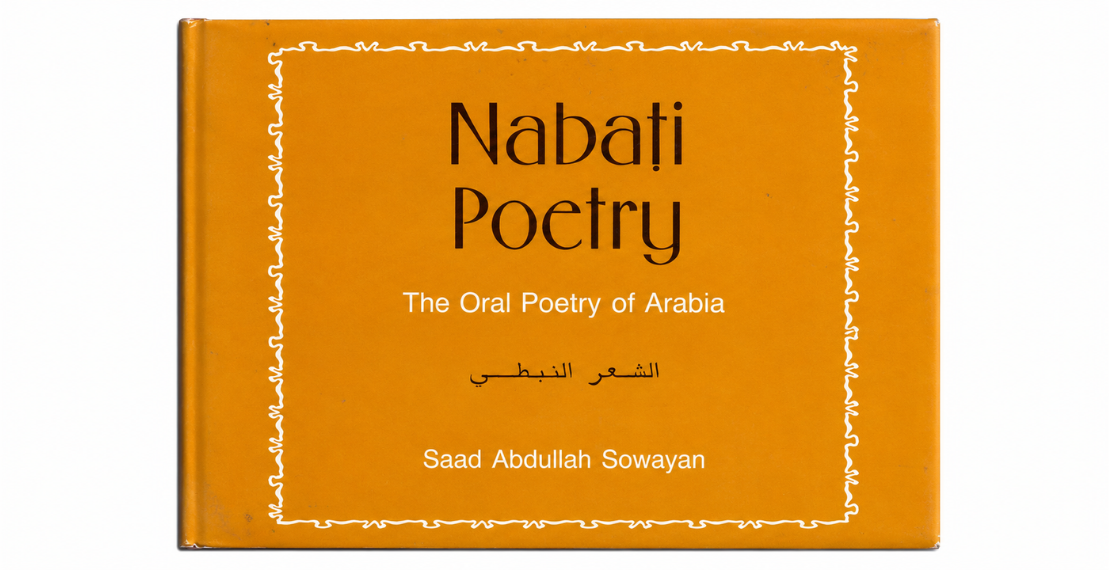
Nabati poetry is an Arabic traditional poetry of Arabian peninsula. It is also a valuable means of expression historically throughout the Gulf.
One of the most esteemed in this tradition was Ousha Al Suwaidi. Her poems were of traditional values as well as her personal experiences, and she made it easy for their readers to understand the Emirati culture.
Her paintings frequently captured the UAE’s land and sea, traditional way of life, and memories of the past and the changing society. Abu Dhabi Awards calls it ‘showcasing local vocabulary and identity’ for how the UAE is portrayed, both its environment and past and present.
This relationship of poetry and culture to identity was one of her most important bequests.
Ousha Al Suwaidi’s Poetry Style
The emotional power and attachment to Gulf culture were hallmarks of Ousha’s poetry. She was a writer of both personal and universal themes.
Love and Emotion
Love, longing and separation were recurring themes in her poetry. Her love poems can be about the emotional intricacy of attachment, distance, memories, rather than just romantic love.
Her style of expression of strong emotions was very good and this made her work popular with a large audience.
Wisdom and Life
Another great characteristic of Ousha’s poetry was its wisdom. Her poems frequently explored themes such as human behaviour, relationships and the lessons learned from life experiences.
The beauty of her poetry and her practical wisdom added to her reputation as a poet for all generations.
Patriotism and Identity
Ousha also penned articles on her country and cultural identity of the UAE. Her poetry reflected aspects of Emirati life, and linking personal memories with the broader narrative of the state.
This use of local vocabulary and images helped to sustain some elements of cultural expression in Emirati literature.
Nature, Desert and Sea
A key influence in Ousha’s writing was the landscapes of the Arabian Gulf.
She represented feelings and memories in the desert, sea and traditional communities and natural environment. Her work was thus also a sort of personal poetry, and a window into the cultural context of the UAE.
Spirituality
Spirituality was a growing theme in Ousha’s later compositions. One of her most significant poems was one of her eulogies for the Prophet Muhammad (saw), according to her official biography.
As a result of this her later literary career saw a greater emphasis upon religious and spiritual poetry.
Famous Poems and Poetry Collections by Ousha Al Suwaidi
During her period as a poet, Ousha Al Suwaidi wrote a voluminous amount of poetry. She was published in newspapers, magazines, audio recordings and poetry books.
One of her most important publications is Fatat Al Arab.
Fatat Al Arab Poetry Collection
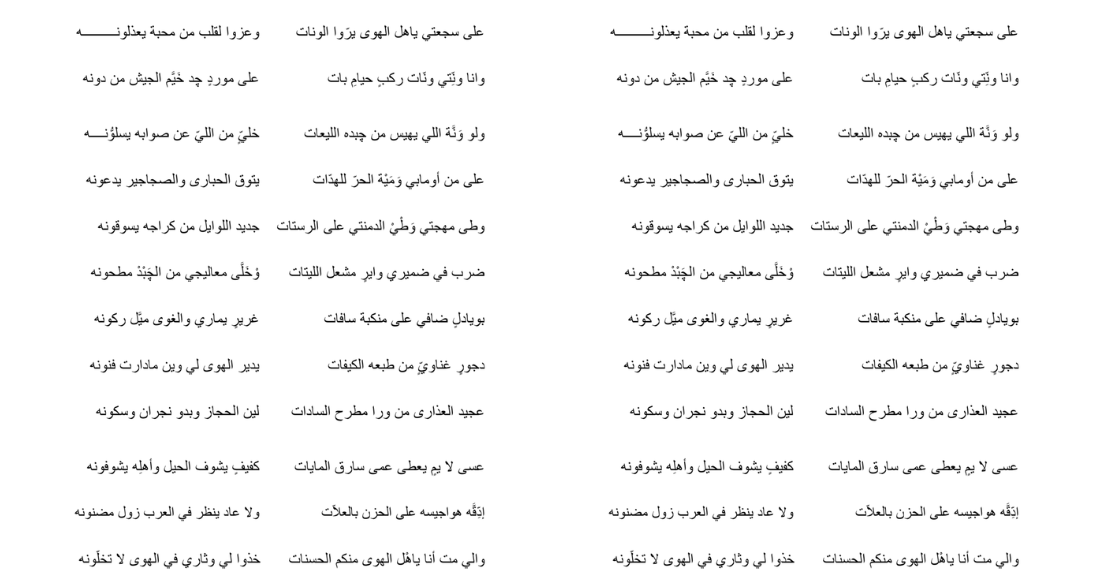
Poet Hamad Bin Khalifa Bou Shehab first published major collection of her poems in 1990. In 2000 a second edition was published.
The collection was a significant way of preserving Ousha’s poetry, and to bring her work to a broader audience.
Her poems have also been studied and compiled by literary researchers, and have played a significant role in highlighting her contribution to Emirati and Gulf literature for posterity.
Selected Poems
Poems like “Salamin Radhaif” and “Al Shamout Yamout” are among the works that are attributed to Ousha’s poetic legacy. Her works are frequently cited on the subject of her culture and poetry.
Reading and talking about her poetry, it is best to pay attention to the ideas in the lines, instead of just the words that are used. Her practice often involves emotional and broader themes around identity, relationships, social and cultural memory.
Ousha Al Suwaidi’s Poems in Emirati Music
Ousha Al Suwaidi’s work reached such a huge audience due to its relation with music.
Her poems were set to music by many Emirati and Arab artists. Her associates as singers include Jaber Jassem, Ali bin Rogha and Mehad Hamad.
This connection of poetry and music kept her words alive after printed collections. Someone who hasn’t read her poetry in a book may see her poetry in songs.One who has not read her poetry in books might hear her poetry in songs.
Her impact thus spilled over from the literary world to popular culture.
Ousha Al Suwaidi and Sheikh Zayed
Ousha’s poetry was part of a larger poetic tradition in the UAE, where poets exchanged poems, and engaged in contests and recitals.
She was linked to the great names in Emirati poetry such as the late Sheikh Zayed bin Sultan Al Nahyan. She was also a strong participant in poetry competitions held by UAE’s top poets such as Sheikh Zayed and Sheikh Mohammed bin Rashid Al Maktoum, the UAE Ministry of Culture states.
Sheikh Zayed also acknowledged her efforts in promoting local vocabulary and also the identity of Abu Dhabi and UAE with her poetry.
Why Was Ousha Al Suwaidi Called Fatat Al Arab?
The nickname of Ousha was originally Fatat Al Khaleej, “Girl of the Gulf.”
She got another significant literary honour in 1989. After reciting a few poems to Sheikh Mohammed bin Rashid Al Maktoum, he dedicated a poem to her in his first poetry book, and named her Fatat Al Arab, which translates as “Girl of the Arabs.”
This title took on a special meaning and became synonymous with her name as she was widely acclaimed for her poetry.
Major Awards and Achievements of Ousha Al Suwaidi
Ousha was awarded with many significant cultural awards in her life and posthumously.
Abu Dhabi Award
Ousha was awarded Abu Dhabi Award for contribution to poetry and society in 2009. According to the book, Abu Dhabi Awards considers her an important inspiration for the women’s poetry movement in the Emirates.
The award has been given not only for her literary efforts, but also for her contribution to the broader culture.
Sharjah Festival of Classic Poetry
Ousha received the award of honor for the Sharjah Festival of Classic Poetry in 2010 in the 11th edition. This award was just another testament to her position in the UAE’s literary circle.
Recognition in 2011
In the year of 2011, an annual award was launched in her name for Emirati female poets. A part of Dubai’s Women Museum was also dedicated to her work and life.
All these efforts have kept her legacy alive and have paved the way for a new generation of female poets.
Al Owais Recognition
Ousha was honored with the Al Owais cultural awards as a cultural personality in 2012. This is one of her many cultural recognitions in the official Ousha archive.
Abu Dhabi Festival Award
Following her passing in 2019, Ousha’s literary legacy and poetic creativity was honored with a special award from the Abu Dhabi Music & Arts Foundation at the Abu Dhabi Festival.
Ousha Al Suwaidi’s Later Life
Ousha left Al Ain in the late 1980s and settled in Dubai, having lived for much of her life in Al Ain, with a long time spent in Qatar. Her later years saw her contribution to literature continue to be recognised.
In the late 1990s she finally withdrew herself from creating new poems. Later, her literary interests were centred around recitations of earlier texts and religious poetry.
Ousha Al Suwaidi passed away in 2018 at the age of 98, bequeathing her a large o’weary literary legacy.
In the UAE, her death was mourned across the nation with national leaders and cultural figures pointing out the significance she held in Emirati literature and poetry.
Ousha Al Suwaidi’s Legacy
Ousha’s writings are not the only legacy she left..
A Pioneer for Female Poets
Her greatest contribution was her efforts to create more room for women in Emirati poetry.
Ousha started to achieve fame and popularity when poetry was mainly male-dominated. Her success proved female poets can be influential agents in the cultural life of the Emirates. Specifically, Abu Dhabi Awards calls her an inspiration to the women’s poetry movement.
Preserving Emirati Culture
Her poetry captured aspects of Emirati identity, such as traditional language, the landscape, and social values and memories from the past.
In this regard her poetry can be considered a cultural document. It gives its future generations a literary insight into the UAE society that is evolving.
Inspiring Future Generations
The recognition and support of female poets since Ousha’s emergence are a testament to her influence.
In her honor, awards have been created and her writing continues to inspire new literary talent. In 2019, UAE Ministry of Culture launched the Osha Bint Khalifa Al Suwaidi Award for Nabati poetry to highlight the importance of poetry and to acknowledge the contribution of Emirati women to the UAE cultural and literary scene.
Her Poetry Lives Through Music
Her words continued to spread beyond literary circles, many of her poems were set to music.
The use of literature and music has been crucial in maintaining her poems in popular memory.
Ousha Al Suwaidi and the Women’s Museum
A special gallery at Dubai’s Women’s Museum was dedicated to her for her life, accomplishments, and her literary works. Some of her biographies were also published by Dr. Rafia Ghubash in 2011.
The initiatives show the UAE history of women’s cultural accomplishments and how Ousha’s story is being woven into that history.
Ousha Al Suwaidi and Google Doodle
On November 28, 2022, Ousha Al Suwaidi was honored by Google with an international Google Doodle.
Her role in literature was recognized through the Doodle, which pays tribute to her and her status as one of the founder poets of the 20th century of the Nabati civilization. The illustration was done by Abu Dhabi-based artist Reem Al Mazrouei.
With the tribute, Ousha’s story was brought to a wider public, and her poetry became popular again.
Ousha Al Suwaidi Timeline
| Year | Event |
| 1920 | Ousha Al Suwaidi was born in Al Ain |
| Around age 15 | She gained recognition for her poetry recitals |
| 1989 | Sheikh Mohammed bin Rashid gave her the title “Fatat Al Arab” |
| 1990 | Her first major poetry collection was published |
| 2000 | Second edition of the poetry collection was released |
| 2009 | She received the Abu Dhabi Award |
| 2010 | She was honored at the Sharjah Festival of Classic Poetry |
| 2011 | An award for Emirati female poets was established in her name |
| 2012 | She received Al Owais cultural recognition |
| 2018 | Ousha Al Suwaidi died at age 98 |
| 2019 | She received the Abu Dhabi Festival Award posthumously |
| 2022 | Google honored her with a dedicated Doodle |
Why Is Ousha Al Suwaidi Important to UAE Culture?
Ousha Al Suwaidi plays an important part in the UAE’s cultural heritage, as she was the first to help make poetry a lasting part of the UAE’s culture, while at the same time making space for women in Emirati literature.
Her poems expressed feelings, customs, surroundings and experiences of life in the UAE. Meanwhile, her success illustrated that female poets could be important cultural icons.
Her legacy can also be seen in the songs that are set to her poetry, awards named after her, cultural exhibitions and ongoing academic and literary research on her work.
Her works are thus not only a part of Emirati poetry but also of the overall cultural history of the UAE.
Final Thoughts
Ousha Al Suwaidi’s story is one of talent, cultural identity and literary achievement. She had a distinguished career as a poet, starting from being recognized as a teenager and progressing to being known as Fatat Al Arab in the Arab world.
Her love poems, wisdom, patriotism, and spiritual reflections were all combined with the memories of Emirati life in her poems. They played a vital role in safeguarding the UAE’s language and cultural heritage, particularly during a period of rapid change.
Her legacy is ongoing, as evidenced by her continued impact on the world even after her death in 2018. Her poetry lives on in books, music, cultural awards, exhibitions and in new generations of poets.
For the lovers of Emirati history, UAE culture, Nabati poetry and iconic Arab women, Ousha Al Suwaidi is an influential figure whose literary legacy lives on.
FAQs About Ousha Al Suwaidi
Who was Ousha Al Suwaidi?
Ousha Al Suwaidi (1920-1990) was a famous Emirati Nabati poet who was born in Al Ain. She was popularly called by the nickname “Fatat Al Arab” or “Girl of the Arabs” and regarded as one of the significant poets of the 20th century of the tribe of Nabat.
Why was Ousha Al Suwaidi called Fatat Al Arab?
She was given the title Fatat Al Arab by Sheikh Mohammed bin Rashid Al Maktoum in 1989 following their participation in poetry recitals. Her name was Fatat Al Khaleej (“Girl of the Gulf”) before.
What type of poetry did Ousha Al Suwaidi write?
Ousha’s chief specialty was writing in the Nabati style. Her work encompassed themes of love, wisdom, nostalgia, praise, patriotism, and spirituality and various aspects of Emirati culture.
What are Ousha Al Suwaidi’s famous poems?
Her literary works include several works, such as “Salamin Radhaif” and “Al Shamout Yamout.” She was also included in the anthology Fatat Al Arab by her poems.
When was Ousha Al Suwaidi born?
Ousha Al Suwaidi was born in Al Ain, Emirate of Abu Dhabi in 1920.
When did Ousha Al Suwaidi die?
Ousha Al Suwaidi passed away in 2018 at age 98.
What awards did Ousha Al Suwaidi receive?
She had won awards such as the Award of Abu Dhabi, the Award of Sharjah Festival of Classic Poetry, the Award of Al Owais cultural recognition, and the Award of Abu Dhabi Festival in her memory.
Did Ousha Al Suwaidi’s poems become songs?
Yes. She was able to reach audiences where she was not usually expected by performing many of her poems, Emirati and Arab artists.
Why is Ousha Al Suwaidi important?
She is important for her contribution to the Nabati poetry, preservation of the Emirati cultural expression and influence on female poets. Her works are a significant part of UAE’s literary heritage.